Tumbleweeds Incoming: Surviving Your Husky's Coat Blow Without Losing Your Mind (or Your Vacuum)
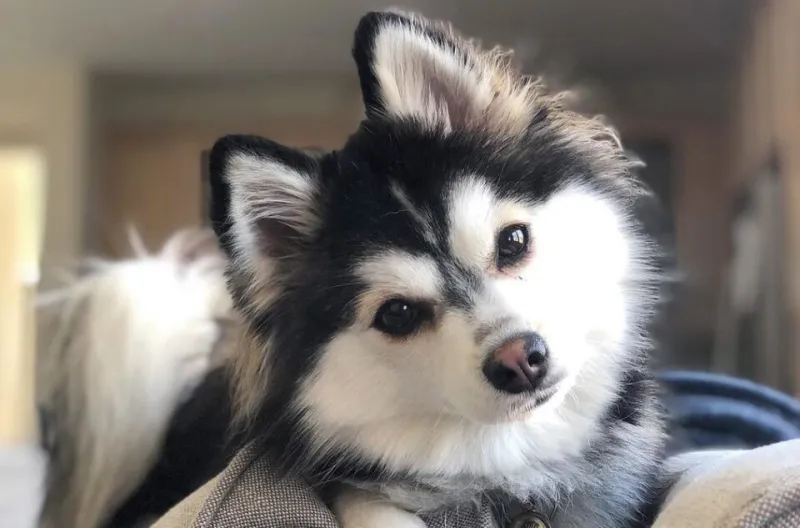
Photo: Paulconwall, CC BY-SA 4.0, via Wikimedia Commons
Somewhere around week two of your first spring with a Siberian Husky, you'll find yourself holding a fistful of fur the size of a small chihuahua and wondering if your dog is dying. Spoiler: she's not. She's blowing coat, and you've just been formally initiated into husky ownership.
Here at Siberian Husky Assist, we get panicked messages every April and October from new owners convinced something is terribly wrong. Nothing is. But there is a right way and a wrong way to handle the famous double coat, and knowing the difference can save your floors, your vacuum, and your sanity.
Understanding the Beast: What Is a Double Coat, Exactly?
Your husky is wearing two jackets at all times. The undercoat is the soft, dense, woolly layer that insulates against both heat and cold — think of it as thermal underwear. The guard hairs on top are longer, coarser, and water-resistant; they're the rain shell.
Unlike single-coated breeds, huskies don't shed a little at a time. They store it up. Twice a year — typically spring and fall, though indoor dogs in heated homes can shed on a looser schedule — that undercoat lets go in massive clumps over the course of three to six weeks. This is "blowing coat," and it is not subtle.
The Season-by-Season Game Plan
Spring: The Big One
Spring is the Super Bowl of shedding. Your husky is dumping their heavy winter undercoat, and the volume is genuinely hard to comprehend until you've lived it.
- Brush outside if possible. Seriously. Your neighbors will understand.
- Undercoat rake daily, working in the direction of hair growth in sections. Don't just drag it over the top — you need to get down to the skin.
- Expect clumps. If you're not pulling out handfuls, you're not getting deep enough.
Summer: Maintenance Mode
The good news: after the blowout, summer is comparatively easy. Two to three brush sessions a week keeps loose hair manageable. Watch for hot spots and check between toes and behind ears, where mats like to hide. And no — more brushing does not mean a cooler dog. The coat itself is the insulation.
Fall: Round Two
Fall's blow is usually lighter than spring's — your husky is swapping the summer coat for the winter one — but it's still a multi-week event. This is also the time to establish your winter brushing rhythm, because a clean, mat-free coat insulates better.
Winter: Hands Off (Mostly)
Winter is the easiest season. The coat is doing its job. Weekly brushing to check for mats and debris is plenty, and bathe rarely — over-bathing strips the natural oils that keep the coat weatherproof.
Your Grooming Toolkit
You don't need everything at the pet store. You need these four things:
- Undercoat rake — the workhorse. A long-toothed rake (look at the Coastal Pet or Chris Christensen brands) reaches through guard hairs into the undercoat.
- Slicker brush — for finishing passes and smoothing the topcoat.
- Wide-tooth comb — for checking your work and detangling behind ears and legs.
- High-velocity dryer or a good blow dryer — game changer during coat blow. Blowing out loose undercoat after a bath removes astonishing amounts of fur in one session.
Skip the Furminator-style shedding blades for heavy use — used aggressively, they can cut and damage guard hairs.
Bathing Strategy: Less Is More (Except During Coat Blow)
Huskies are famously clean, low-odor dogs. A bath every two to three months is plenty for most. Use a dog-formulated shampoo — never human shampoo — and rinse thoroughly; leftover soap residue causes flaky skin.
The pro move: bathe during coat blow. A warm bath loosens the dead undercoat, and following up with a blowout while the coat is damp will pull out fur you didn't know existed. One bath-and-blow session during peak shed can cut weeks off the process.
Vacuum Hacks for the Fur Apocalypse
- Buy for the job. If you own a husky, a pet-specific vacuum (Shark and Dyson's animal lines are popular for a reason) pays for itself in saved motors. Standard vacuums clog and burn out on husky volume.
- Vacuum the dog. Yes, really — many dogs tolerate a handheld vacuum on low with a brush attachment, and some groomers do it professionally.
- Rubber broom or squeegee on carpets. A rubber-edged broom gathers hair that bristles just push around.
- Dryer sheets on your baseboards reduce static, which is what makes husky fur cling to every surface like it's paying rent.
- A robot vacuum running daily during coat blow season is not laziness. It's infrastructure.
The Shaving Question: Just Say No
Let's kill this myth for good: you should never shave a husky. Not in summer. Not for convenience. Not because the groomer offered.
That double coat is engineered to insulate against heat as well as cold — it's how sled dogs survive both Alaskan winters and summer training runs. Shaving it:
- Removes their natural cooling system, actually increasing overheating risk
- Exposes pink, thin skin to sunburn — husky skin isn't built for UV exposure
- Can permanently damage the coat. Many shaved huskies' fur grows back patchy, coarse, or never returns to normal (a condition called post-clipping alopecia)
- Eliminates the guard hairs that repel water and dirt
The only legitimate exception is a medical necessity — surgery prep or a vet-directed procedure. Otherwise, the answer is always brushing, never clippers.
When Fur Loss Isn't Normal
Coat blow is symmetrical and seasonal. Call your vet if you see bald patches, fur loss that's lopsided or localized, red or scabby skin, excessive scratching, or a shed that never seems to end outside shedding season. Thyroid issues, allergies, and parasites can all masquerade as "heavy shedding."
The Bottom Line
Living with a double coat isn't a burden — it's a rhythm. Learn the seasons, invest in the right tools, bathe strategically during the blow, and never reach for the clippers. Six weeks of tumbleweeds twice a year is a small price for a dog this magnificent. And hey — you'll never run out of yarn for that sweater you keep threatening to knit.

