Second Chances, Siberian Style: Your Honest Roadmap From Shelter Kennel to Settled Family Dog

Photo by Photo by 12photostory on Unsplash on Unsplash
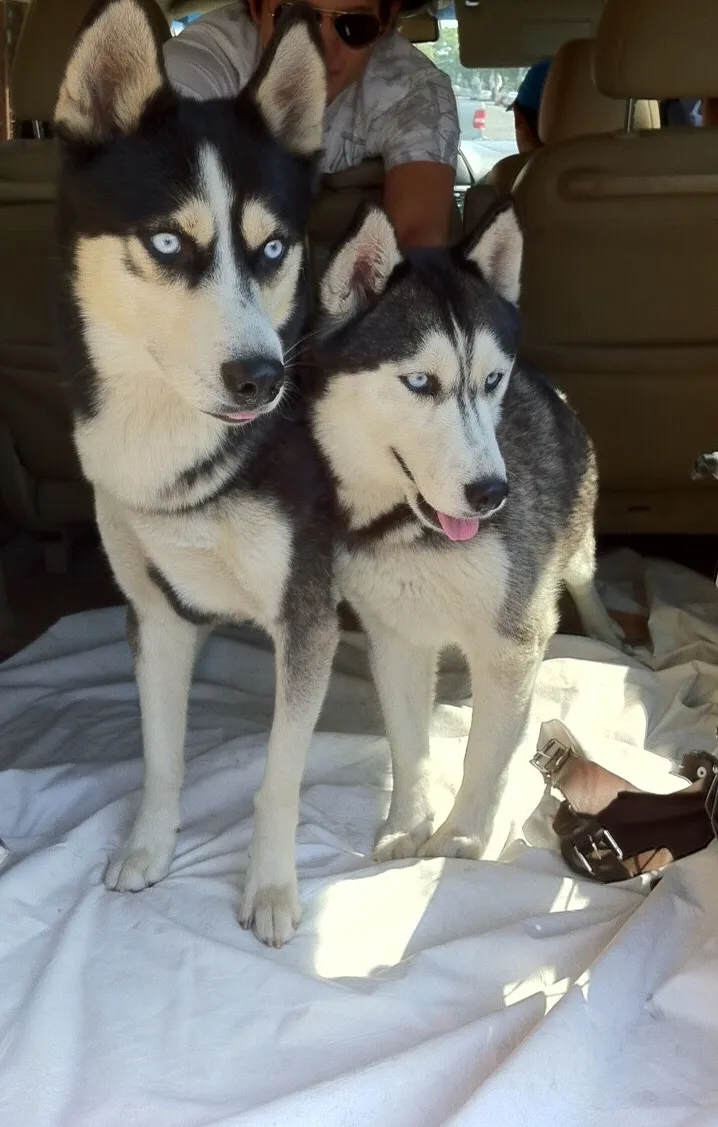
There's a moment that happens at shelters across America every single weekend. A family walks past the kennels, stops in front of a striking gray-and-white dog with piercing blue eyes, and says the words that make every rescue volunteer's heart both sing and sink: "A husky! Like Game of Thrones!"
Six to eighteen months later, a surprising number of those dogs are back in a kennel. Siberian Huskies consistently rank among the most surrendered breeds in the US, and rescue organizations from California to New Jersey have spent years trying to figure out how to break the cycle. The answer, they'll tell you, isn't fewer adoptions — it's better-prepared adopters.
Why So Many Huskies End Up Behind Shelter Doors
Talk to anyone running a husky-specific rescue and you'll hear the same story on repeat. The breed's popularity spikes — driven by TV shows, movies, and social media — send impulse purchases soaring. Then reality arrives.
Huskies shed like it's a competitive sport. They howl at sirens, the mail carrier, and apparently nothing at all. They're legendary escape artists with a prey drive that makes them genuinely risky around cats and small pets. And they need more exercise than the average family is prepared to provide — not a stroll around the block, but real, daily, heart-pumping activity.
"Most of the huskies we take in aren't behaviorally broken," says the kind of thing you'll hear from volunteers at breed rescues across the country. "They're just being huskies in homes that expected a different dog."
The good news? If you're reading this on a husky site, you're already ahead of the game. You know what you're signing up for. That knowledge is exactly what turns a shelter husky into a forever dog.
Before You Visit: The Pre-Shelter Checklist
Rescue organizations do their best to screen adopters, but honestly assessing yourself first makes everything smoother:
- Time: Can you commit to 1–2 hours of exercise daily, every day, regardless of weather or your work schedule?
- Fencing: A secure, tall fence is strongly preferred. If you don't have one, be prepared to explain your containment plan — and know that leash-only huskies are a hard pass for many rescues.
- Other pets: Huskies and cats can coexist, but it's the exception, not the rule. Be honest about your household.
- Budget: Adoption fees typically run $200–$500, but add food, vet care, heartworm prevention, and the occasional escape-related emergency.
- Patience: A shelter husky may need weeks or months to show their true personality. If you want instant gratification, this isn't it.
Shelter Visit Reality Check
That gorgeous dog staring soulfully through the kennel glass? That's not the whole picture. Shelter environments are stressful, and huskies — dramatic by nature — often shut down or go over the top in kennels.
Ask to meet the dog outside or in a play yard. Ask staff about the dog's history: Why was he surrendered? How does she do with other dogs? Any known escape attempts? Many shelters conduct dog-to-dog evaluations, and that information is gold.
Also, be open to the black-and-white bi-eyed senior in the back who isn't performing for attention. Some of the best rescue huskies are the ones nobody notices on the first pass.
The First 90 Days: A Week-by-Week Game Plan
Rescue groups often reference the "3-3-3 rule" — three days to decompress, three weeks to learn your routine, three months to feel at home. Here's how to actually live it.
Days 1–7: Decompression Mode
Keep the world small. One quiet room with a comfortable bed, food, and water. Short, leashed potty breaks. Skip the big meet-the-neighbors party — your new dog doesn't need to meet your extended family this week.
Expect odd behavior: not eating much, pacing, panting, or sleeping excessively. That's a stressed nervous system, not a problem to fix. Feed near your dog, speak softly, and let them observe.
Weeks 2–4: Building the Routine
Huskies thrive on predictability. Establish consistent feeding times, walk times, and bedtime. Start basic structure — a house rule set that never wavers — because huskies will absolutely test boundaries once they're comfortable.
This is also when you introduce (carefully and slowly) any resident pets, ideally on neutral ground with professional guidance if there's tension. Begin short training sessions using high-value treats. A rescued husky learning "sit" is a rescued husky learning that you're worth listening to.
Weeks 5–8: Expanding the World
Gradually add new experiences: different walking routes, car rides, a trusted friend or two. If your dog is ready, this is a good window for a vet-established wellness plan — many shelter dogs come out of southern shelters needing heartworm treatment or dental care, so get a full workup if you haven't already.
Watch for the husky-specific stuff to emerge: the talking, the digging, the creative problem-solving aimed at your trash can. Management beats correction. Secure your trash, supervise yard time, and check your fence line for weak spots before your dog does.
Weeks 9–12: Settling In
By now, most rescue huskies have decided you're family. Their real personality — goofy, stubborn, affectionate, loud — is on full display. Deepen training, consider a group class (great for bonding and socialization), and establish long-term routines like grooming sessions, which double as bonding time and coat-blow damage control.
When to Call in Reinforcements
Adopting a rescue isn't always smooth, and asking for help is a strength, not a failure. Most reputable husky rescues offer adopter support — use it. A certified positive-reinforcement trainer can address reactivity, escape behavior, or resource guarding before it becomes entrenched. Your vet can rule out pain-related behavior issues.
The dogs that struggle most in rescue placements aren't the difficult ones — they're the ones whose humans gave up too early or too quietly.
The Payoff
Nobody adopts a shelter husky because it's easy. You do it because somewhere in a kennel is a dog with ice-blue eyes who's been returned, overlooked, or surrendered through no fault of their own — and because you've done the homework to be the person who doesn't send them back.
Do the prep. Follow the plan. Give it 90 days. What you'll get in return is a talkative, dramatic, endlessly entertaining shadow who acts like your couch was always meant to be theirs.
Because it was.