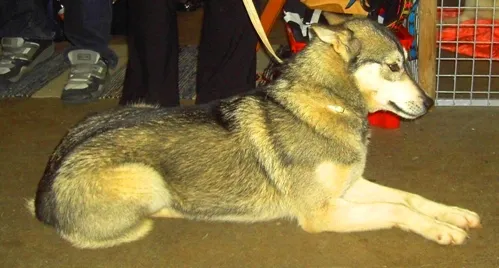
Skip the Puppy Stage: Why an Adult or Retired Husky Might Be the Best Adoption Decision You'll Ever Make

Photo by Photo by Mark Zamora on Unsplash on Unsplash
Ask most people to picture adopting a Siberian Husky, and they imagine a blue-eyed ball of fluff chewing through a shoebox of belongings. What far fewer people picture — and what rescue coordinators across the country will tell you is the real hidden gem — is the six-year-old Husky who already knows the household rules, walks politely on a leash, and just wants a couch to flop on.
Adult and senior Huskies, including retired sled and racing dogs, are among the most overlooked dogs in American shelters. Breed-specific rescues from Minnesota to North Carolina report that Huskies over five years old can wait months longer for a home than their puppy counterparts. That's a shame, because for many families, a mature Husky is genuinely the better fit.
Why the Second-Act Husky Works
Siberian Huskies are famous for being, let's say, a lot. The puppy and adolescent phase — typically the first two to three years — is where most of the chaos lives: the digging, the escaping, the selective hearing, the "singing" at 2 a.m.
By the time a Husky reaches middle age, much of that storm has passed. Retired sled dogs, often rehomed between five and nine years old after years in a racing kennel, come with a work ethic and structure already baked in. Many are crate-trained, leash-trained, and used to routines that would make a drill sergeant nod approvingly.
"People assume a sled dog will be too intense for a family," says one Midwest-based rescue coordinator who places retired racing Huskies. "Honestly, most of them are exhausted professionals ready for retirement. They've spent their lives working on a schedule. A backyard and a soft bed is the jackpot."
Shelter Huskies past the puppy stage offer a different advantage: what you see is what you get. Size, coat, energy level, and temperament are already established. There's no guessing whether that adorable fluffball will grow into a fence-scaling marathoner.
Real Families, Real Results
The Henderson family in Colorado adopted a seven-year-old retired sled dog named Kavik after losing their senior Lab. "We expected a project," says Dana Henderson. "Instead we got a dog who settled into our routine in about a week. He's mellow in the house, fantastic with our kids, and the only 'project' part is teaching him that the couch is, in fact, for him."
Their one adjustment? Kavik still pulls enthusiastically on the first half-mile of every walk — a lifetime of harness work doesn't vanish overnight. A front-clip harness and some patience handled it.
Your Pre-Adoption Checklist
Adult Huskies are lower-drama, but they're still Huskies. Before you commit, work through this list with the rescue or shelter:
Energy level. Ask for specifics: How does this dog handle a 30-minute walk? A full hike? A day of lounging? Match the dog's reality, not the breed's reputation.
Health history. Request veterinary records. Hip evaluations, eye exams (Huskies are prone to cataracts and other inherited eye issues), thyroid panels if available, and a dental status report are all fair questions for a mature dog.
Temperament notes. How does the dog respond to other dogs? Cats? Kids? Strangers at the door? Retired kennel dogs are often dog-social but may need time learning about household life — stairs, mirrors, and vacuum cleaners can all be revelations.
History gaps. Many shelter Huskies come with unknown backgrounds. Ask what the foster family has observed, and plan on a decompression period of a few weeks before judging behavior.
Your own household. Secure fencing, a plan for exercise in summer heat (Huskies and hot US summers require strategy), and honest agreement from everyone in the home.
Making the Transition Smooth
Adopters and coordinators repeat a few themes again and again:
- Go slow. Keep the first weeks boring and predictable. Structure builds trust.
- Expect an adjustment curve. Many rescues "shut down" politely for two or three weeks before their real personality shows up.
- Keep training. Even a well-trained adult benefits from a basic obedience class — it's bonding disguised as learning.
- Budget for seniors. Dogs over seven may need more frequent vet visits. Many adopters say it's the best money they spend.
The Payoff
There's a particular kind of gratitude in a rehomed adult Husky — a dog who seems to understand, in whatever way dogs understand things, that this home is the good one. Rescue coordinators see it constantly. Families who take the leap rarely go back to puppy adoption.
The shelter and the sled-dog retirement program are full of Huskies in their second act, waiting for someone to skip the chaos and go straight to the good part. Maybe that someone is you.