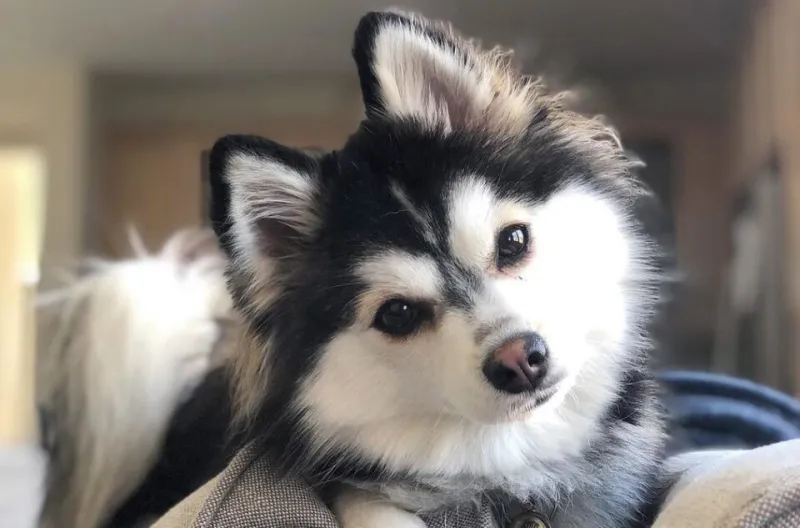
Beach Days and Backyard Pools: The Truth About Huskies in Hot Weather
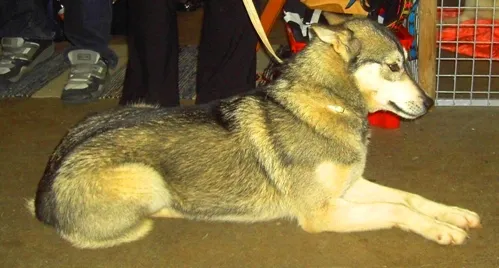
Photo: Canarian, CC BY-SA 3.0, via Wikimedia Commons
If you've spent any time in husky adoption groups, you've seen the comments: 'You're getting a husky in Houston? That's animal cruelty!' Meanwhile, thousands of healthy, happy Siberians are sprawled belly-up on patio tiles from Phoenix to Tampa, living their best lives.
Here's the truth: huskies adapt to warm climates better than their reputation suggests. But they can't do it alone, and they definitely can't do it with an owner who doesn't know what to watch for. Let's separate the myth from the physiology.
The Double Coat Is Not Your Enemy
The biggest misconception about huskies in hot weather is the coat itself. Your Siberian's famous double coat isn't a winter parka they're stuck wearing in July — it's insulation that works both directions. The undercoat traps air, which buffers against heat just as it buffers against cold. Think of it like the insulation in your attic: it keeps the temperature on the inside stable.
This is why shaving a husky is one of the worst things you can do. A shaved coat grows back patchy, loses its insulating and waterproofing properties, and exposes the skin to sunburn. Leave the clippers alone. Brush instead — a rake and an undercoat tool during shedding season will do more for your dog's comfort than any shave ever could.
Real Overheating vs. Husky Theater
Huskies are dramatic. They'll flop in a puddle, give you the side-eye, and scream like you've committed a personal offense because dinner is four minutes late. So how do you know when the performance is real?
Signs of genuine overheating:
- Heavy, continuous panting that doesn't ease up after a few minutes of rest
- Thick, ropey drool instead of normal slobber
- Bright red gums or tongue (healthy gums are bubblegum pink)
- Stumbling, wobbling, or reluctance to move
- Vomiting or diarrhea
- Glazed eyes or confusion
Husky theater:
- Dramatic flopping in the shade, followed by immediate recovery when a squirrel appears
- Refusing to walk (classic husky protest, especially on leash)
- Digging a crater in the cool dirt and napping in it — that's actually smart self-regulation
When in doubt, get your dog into air conditioning or shade, offer cool (not ice-cold) water, and watch. If things don't improve within 10–15 minutes, call your vet. Heatstroke is an emergency, and erring on the side of caution is never wrong.
Timing Is Everything: Summer Exercise Windows
In warm states, the clock matters more than the thermometer sometimes. Asphalt in Phoenix can hit 170°F on a summer afternoon — hot enough to burn paw pads in seconds. The five-second test works: press the back of your hand to the pavement. If you can't hold it for five seconds, it's too hot for paws.
Structure your husky's exercise around early morning and late evening:
- Before 8 a.m. is your golden window in most Southern climates
- After sunset works well too, though pavement stays hot for hours after dark
- Midday? Keep it to quick potty breaks and indoor play
And dial back intensity. Your husky may want to go full throttle at the dog park in July, but you're the one holding the leash. Shorter, gentler sessions are the summer rule.
Cooling Gear Worth Buying (and What to Skip)
The pet industry loves selling you stuff. Some of it works:
Worth it:
- Kiddie pools — cheap, effective, and most huskies adore them. Keep it in the shade and change the water regularly.
- Cooling mats — the pressure-activated gel kind. Great for crate training or the living room floor.
- Elevated cots — airflow underneath makes a real difference on hot patios.
- Cooling vests — the evaporative kind you soak in water. Helpful for hikes, useless if it dries out.
Skip it:
- Ice baths (they can constrict blood vessels and actually slow cooling)
- Battery-powered 'cooling collars' with mixed reviews
- Anything that replaces shade, water, and common sense
The Backyard Setup That Actually Works
Shade is non-negotiable — and we mean real shade, like a tree or a covered porch, not a doghouse. A doghouse in the sun becomes an oven. If your yard lacks natural shade, a shade sail or canopy is a weekend project that pays off all summer.
Fresh water in multiple spots, refilled daily and kept out of direct sun. A digging-friendly zone (huskies will excavate their own cooling pits if you let them). And elevation: raised, ventilated resting spots beat hot concrete every time.
Busting the Adoption Myth
Here's why this matters beyond your own backyard: the 'huskies can't live in warm states' myth keeps perfectly adoptable dogs sitting in shelters across the South. Rescues in Texas and Florida are overflowing with Siberians surrendered by owners who bought the myth in reverse — people who got a husky, heard they 'can't' live there, and gave up.
Huskies in warm climates need committed owners, not miracles. They need morning walks, air conditioning during heat waves, endless brushing during coat blow, and an understanding that summer is a season of management, not fear.
If you're in a warm state and considering a husky, talk to local rescues. The dogs already there are living proof — panting happily, poolside, waiting for someone who knows the difference between drama and danger.