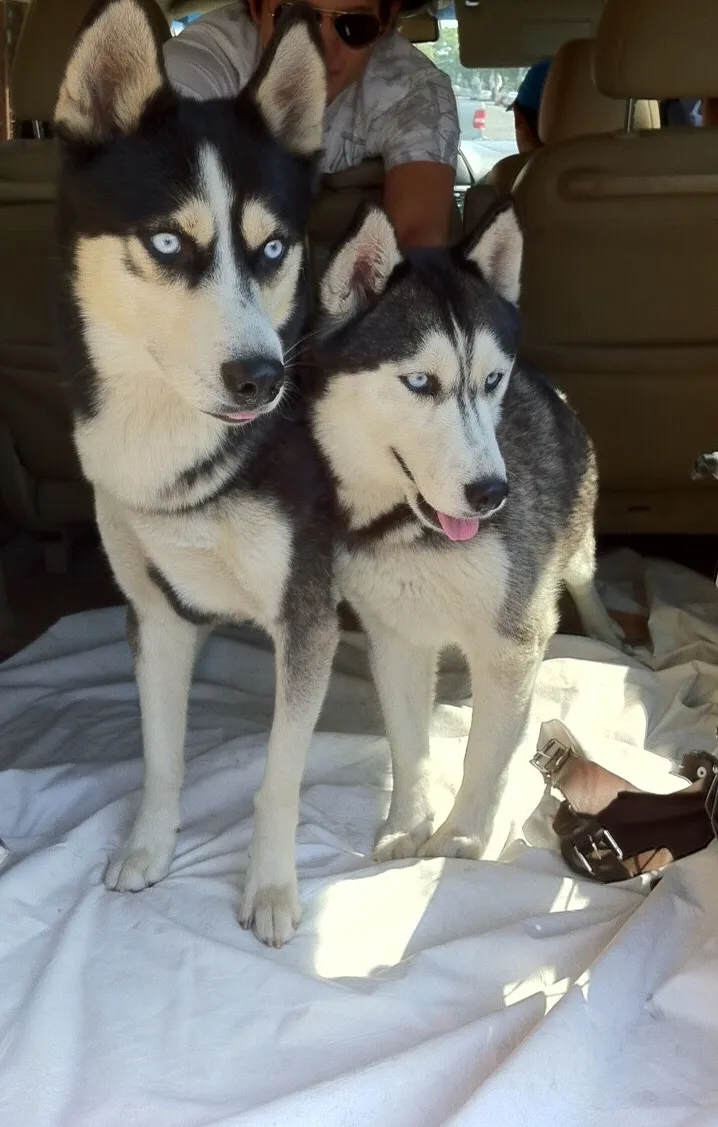
The Sled Dog Diet Code: Feeding Your Husky Like You Actually Understand the Breed
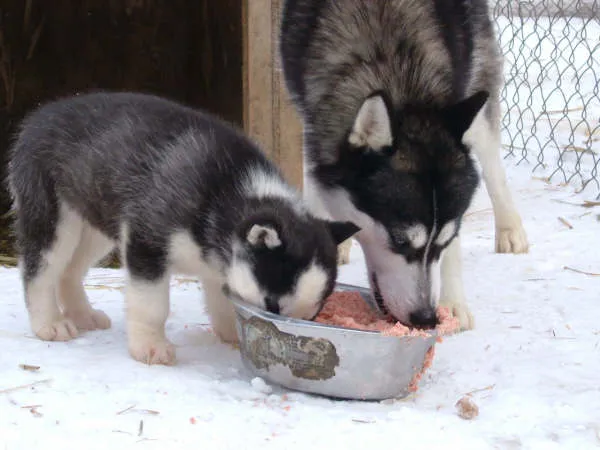
Photo: Jiel Beaumadier, CC BY-SA 4.0, via Wikimedia Commons
Ask any husky owner about feeding time and you'll probably hear one of two stories: "Mine inhales everything in sight" or "Mine hasn't touched breakfast since Tuesday." Both are classic husky behavior, and both trace back to the same thing — this is a breed engineered by Chukchi herders to run for hours on remarkably little food.
That efficiency is a gift and a trap. Feed too much and your husky gains weight fast. Feed carelessly and you'll accidentally train a picky eater. Let's sort it all out.
Why Your Husky's Calorie Math Is Different
A 50-pound husky doesn't eat like a 50-pound bulldog. Sled dogs have metabolisms tuned for endurance work, and even pet huskies retain some of that efficiency. A moderately active adult husky often needs only 1,100 to 1,500 calories a day — sometimes less — while a comparably sized, more sedentary breed might need considerably more.
The catch? Huskies are also famously self-regulating. Many will skip meals simply because they're not hungry, which panics new owners into a spiral of toppers, hand-feeding, and table scraps. Don't. A healthy husky skipping a meal is normal; a husky skipping meals plus acting lethargic or vomiting is a vet call.
Activity level should drive adjustments:
- Couch companion: Feed at the low end of your food's recommended range
- Daily runner or hiker: Mid-range, adjusting seasonally
- Working/sledding dog: May need 1.5–2x a typical maintenance diet, especially in winter
You should be able to feel ribs easily with light pressure and see a visible waist from above. In a double-coated breed, that waist check matters more than the scale.
The Toxic Foods List: Print This One Out
Some of these are dangerous for all dogs; a few deserve special vigilance in husky households because these counter-surfing acrobats will find them.
- Grapes and raisins — linked to acute kidney failure; no safe dose is established
- Xylitol (in sugar-free gum, peanut butter, and baked goods) — causes rapid, life-threatening blood sugar crashes
- Chocolate and espresso — the darker, the deadlier
- Onions, garlic, leeks, chives — damage red blood cells, whether raw, cooked, or powdered
- Macadamia nuts — weakness, tremors, hyperthermia
- Alcohol and raw yeast dough
- Cooked bones — splinter hazards
- Excess fatty scraps — a major trigger for pancreatitis
Holiday warning for US households: Thanksgiving turkey skin, gravy, and that well-meaning relative slipping table scraps under the table are a annual hazard. Keep a tin of plain, dog-safe treats by the door for guests.
A Sample Feeding Schedule
Adult husky, twice daily:
- 7:00 a.m. — half the daily portion after a short morning walk
- 6:00 p.m. — second half, ideally an hour before or after vigorous exercise
Why the timing matters: Huskies are deep-chested, and while the breed isn't among the highest-risk for bloat (GDV), exercising hard right around a full meal is never smart for any deep-chested dog. Build in that buffer.
Puppies (8 weeks–6 months): Three to four smaller meals daily of a large-breed puppy formula, then transition to twice daily.
Free-feeding? Rarely a good idea. Scheduled meals keep you alert to appetite changes — often the first sign something's off.
Reading a Label Without Falling for Buzzwords
Dog food marketing is a masterclass in nonsense. "Ancestral," "human-grade," "premium," and "holistic" have no legal definition on a US pet food label. Ignore them. Instead:
- Look for the AAFCO statement. It should say the food is "complete and balanced" for your dog's life stage, ideally via feeding trials rather than formulation alone.
- Check the first five ingredients. A named animal protein (chicken, salmon, lamb) should lead the list. "Meat meal" from an unnamed source is a yellow flag.
- Watch the grain-free hype. The FDA has investigated a possible link between certain boutique grain-free diets and diet-associated dilated cardiomyopathy (DCM). Unless your vet diagnoses a grain allergy — which is uncommon — grains are fine, and grain-inclusive formulas from established manufacturers are a safer default.
- Check the calorie content line. It's listed in kcal/kg and kcal/cup. Do the math for your dog's actual needs, not the bag's generous feeding chart.
The Picky Eater Fix
If your husky has learned that refusing dinner earns kibble toppers and chicken breast, the fix is unglamorous: put the food down for 15 minutes, pick it up, and offer nothing until the next scheduled meal. A healthy dog will not starve itself on this schedule. Most huskies fold within two or three days.
If the refusal comes with weight loss, vomiting, diarrhea, or lethargy, stop the tough-love approach and call your vet.
The Bottom Line
Your husky doesn't need exotic diets, expensive toppers, or whatever's trending on TikTok. It needs a complete, balanced food from a reputable maker, portioned to its genuinely efficient metabolism, served on a schedule, with a short list of never-foods kept firmly out of reach. Feed the dog in front of you — the one built to run far on a little — and you'll both be happier at dinnertime.