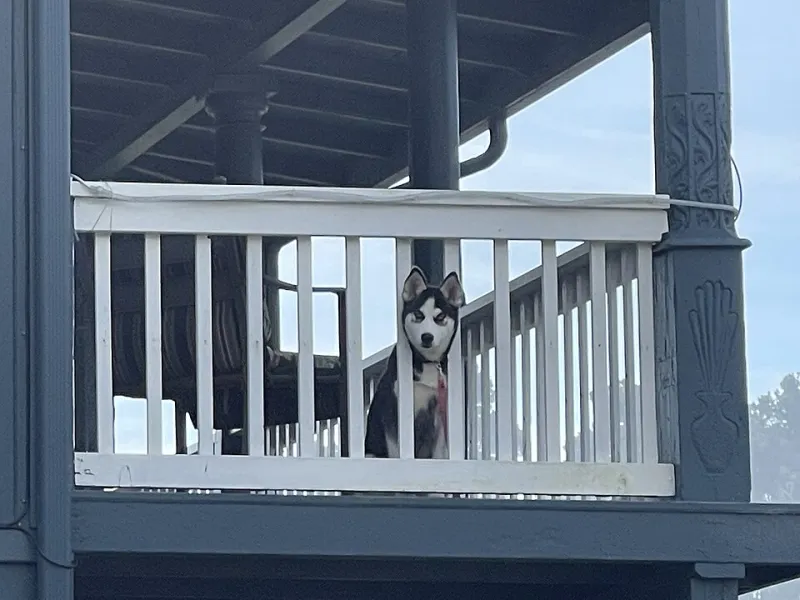
Zoom Calls and Zoomies: Surviving Remote Work With a Siberian Who Didn't Sign Up for This
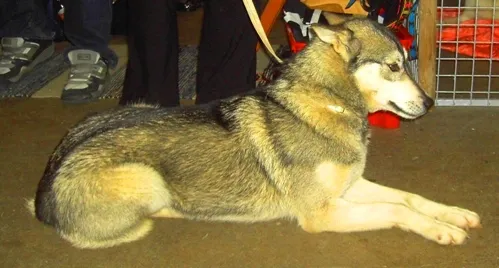
Photo: Canarian, CC BY-SA 3.0, via Wikimedia Commons
Here's the thing nobody mentions when you celebrate landing that remote job: your Siberian Husky just lost their favorite employee. The one who used to leave at 8 a.m. and come home ready for a two-mile walk. Now you're home all day, and from your husky's perspective, that should be amazing — except you're sitting perfectly still, staring at a glowing rectangle, shushing them every time they sigh dramatically near the webcam.
Huskies don't do boredom quietly. A bored Siberian invents jobs, and those jobs usually involve your baseboards, your couch cushions, or a 2 p.m. operatic performance timed precisely to your quarterly review. The good news? With a little structure, working from home with a husky is absolutely doable — and honestly, most of them adapt better than we do.
Why the Quiet Workday Is So Hard on a Sled Dog
Siberian Huskies were built by the Chukchi people to trot long distances at a steady pace, think independently, and make decisions without human input. That last part matters. Your husky isn't just high-energy — they're a problem-solver with a work ethic and no assigned project.
When that drive has nowhere to go, you get what behaviorists politely call "displacement activity" and what husky owners call "why is there stuffing everywhere." Add in the fact that a home office means a human who's present but unavailable — which is genuinely more frustrating for some dogs than you being gone entirely — and you've got a recipe for the 2 p.m. howl.
Build Your Day Around the Enrichment, Not the Other Way Around
The trick to a peaceful workday isn't tiring your husky out once in the morning and hoping for the best. It's breaking their day into chunks that mirror how a working sled dog actually lives: effort, rest, effort, rest.
The workday workout plan:
- 6:30–7:15 a.m. — The real workout. Before you pour coffee, get in 30–45 minutes of actual movement. A brisk walk, a jog, a fetch session, or even 15 minutes of flirt pole if you're short on time. This is non-negotiable. A husky who's had a real morning outing will settle for hours; one who hasn't will renegotiate your schedule all day.
- 7:30 a.m. — Breakfast, but make them work. Skip the bowl. Scatter kibble in a snuffle mat or stuff it into a frozen puzzle feeder. Breakfast becomes 20 minutes of occupational therapy.
- 9 a.m.–12 p.m. — Deep work block #1. Your husky should be napping after the morning. If they're not, see the troubleshooting section below.
- 12:00–12:30 p.m. — Lunch break, husky edition. Ten minutes of training drills (sit, down, stay, spin — anything that makes them think), plus a quick potty trip. Mental work tires dogs out faster than physical work, and 10 focused minutes is worth a 30-minute stroll.
- 12:30–2 p.m. — Deep work block #2. Deploy the big gun: a frozen stuffed Kong or a topple-style feeder pulled from the freezer. Frozen takes them 30–45 minutes to conquer.
- 2:00–2:30 p.m. — The anti-howl window. This is the slot where most huskies crash after their morning. Schedule your hardest call here, not at 9 a.m. when they're still amped.
- 5:00 p.m. — Clock out for real. Evening walk, play session, or backyard sniffari. Your husky needs to know that when the laptop closes, life starts.
Desk-Safe Enrichment That Actually Works
Not all puzzle toys are created equal, and huskies are famously good at destroying the ones marketed as "tough." A few that consistently earn their keep:
- Frozen stuffed Kongs or Toppl toys — the gold standard. Plug the small hole with peanut butter (xylitol-free, always), pack with soaked kibble and a banana slice, freeze overnight.
- Snuffle mats — great for scatter feeding, and they fold up small enough to keep under your desk.
- Outward Hound puzzle boards — the level 2 and 3 versions. Start easy; a frustrated husky will flip the whole thing over.
- A lick mat suctioned to the wall or a nearby door — licking is genuinely calming, which makes it perfect for pre-call wind-downs.
- Cardboard box destruction duty — with supervision. A empty Amazon box with a few treats inside is cheap entertainment, just don't leave them solo with it if your dog eats cardboard.
Rotate toys every couple of days. A puzzle your husky sees daily is furniture; one they haven't seen in a week is a gift.
Troubleshooting the 2 P.M. Howl (Mid-Client-Call Edition)
So you've done everything right and your Siberian still belts out a wolf serenade the moment your camera turns on. First, know that this is partly attention-seeking — huskies are champion vocal learners, and if howling has ever gotten a reaction out of you, congratulations, you've trained a duet partner.
What actually helps:
- Pre-empt the schedule. Huskies are clock-obsessed. If howling gets them a break at 2 p.m., they'll howl at 2 p.m. forever. Instead, initiate contact before they ask — a quick training session or potty break at 1:45 resets the pattern.
- Never reward the noise. No eye contact, no talking, no laughing on mute. Respond only when they're quiet, even if it's just a glance and a calm "good."
- Give them a job during calls. A frozen chew or lick mat that only appears during meetings builds a new association: camera on = frozen peanut butter time.
- Manage the environment. A baby gate or exercise pen near your desk (not blocking it — huskies hate barriers they can see through) lets them be near you without staging a desk invasion.
- Check the basics. A husky howling at the same time daily might just need a potty break. Rule out the boring answer before assuming it's drama.
When to Worry
Restlessness that doesn't improve with exercise, destructive behavior that escalates, or a dog who seems anxious rather than bored is worth a conversation with your vet or a certified trainer. Some huskies genuinely struggle with the strange stillness of office life, and there's no shame in bringing in a professional — or a dog walker for a midday outing a few times a week.
Working from home with a Siberian isn't about keeping them quiet. It's about giving a working dog a version of the workday they can love. Nail the rhythm, and you might find your husky napping under the desk is the best coworker you've ever had — one who never joins a call uninvited, as long as the freezer stays stocked.