Before the Emergency: Building a Pet Insurance Plan Around Your Husky's Actual Health Risks
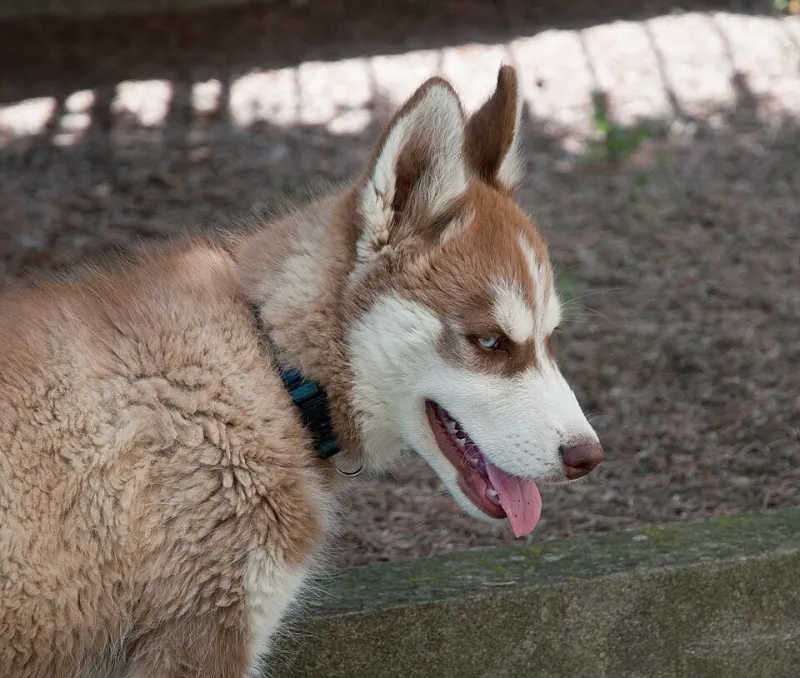
Photo: MrPanyGoff, CC BY-SA 3.0, via Wikimedia Commons
Let's be honest: nobody adopts a Siberian Husky expecting a medical drama. These are rugged, athletic dogs bred to haul sleds across frozen terrain. But here at Siberian Husky Assist, we've heard from enough owners in vet waiting rooms to know that even the hardiest breeds come with a genetic punch list. And those breed-specific issues? They can get expensive fast.
That's why we're talking about pet insurance—not the boring brochure version, but the practical, breed-aware version. Because a generic policy is one thing. A policy chosen with your husky's actual risks in mind? That's the difference between a claim check and a denial letter.
Why Breed Awareness Changes Everything
Most pet insurance in the US works the same way: you pay a monthly premium, hit a deductible, and get reimbursed a percentage of covered costs. Simple enough. The catch is timing. Insurance doesn't cover pre-existing conditions, which means the day you discover your husky's cloudy eye or itchy, crusty nose is the day it's too late to get that specific issue covered.
The smart play is enrolling while your dog is young and healthy—ideally before age two—so the breed's predictable problems are already on the books when they show up later.
The Big Seven: What Huskies Actually Face
Here are the conditions that show up most often in Siberian Huskies, with rough US cost ranges. Your mileage will vary depending on your city and clinic, but these numbers will get you in the ballpark.
1. Cataracts and Eye Issues
Huskies are prone to juvenile cataracts, and they can develop as early as a few years old. Surgery to remove cataracts typically runs $2,500 to $4,500 per eye at a veterinary ophthalmologist. Add in the initial specialist exams ($150–$300) and post-op care, and you're looking at a serious chunk of change.
2. Zinc-Responsive Dermatosis
This one is uniquely husky. Their bodies struggle to absorb zinc, leading to crusty, scaly patches around the nose, mouth, and eyes. It's manageable with supplements and medicated shampoos, but diagnosis involves skin biopsies ($300–$600), and lifelong management adds up. Left untreated, it's miserable for your dog.
3. Hip Dysplasia
While more common in giant breeds, huskies aren't immune. Depending on severity, treatment ranges from medication and joint supplements ($50–$100/month) to total hip replacement surgery at $3,500 to $7,000 per hip.
4. Glaucoma
Huskies have a higher-than-average risk of this painful condition, where pressure builds inside the eye. Emergency treatment to manage pressure runs $250–$500 per visit; if surgery is needed to remove the eye, expect $1,500–$2,500.
5. Hypothyroidism
An underactive thyroid can cause weight gain, coat issues, and lethargy. The good news: it's treatable with daily medication. The ongoing cost of testing and meds usually lands around $30–$60 per month.
6. Laryngeal Paralysis and Airway Issues
Less common but worth knowing about, especially as huskies age. Surgical correction can cost $2,000–$4,000.
7. The Generic Emergencies
Let's not forget the non-breed stuff. Huskies are notorious escape artists and thrill-seekers, which means foreign body surgeries from eating things they shouldn't ($1,500–$5,000), torn ACLs from hard play ($3,000–$6,000), and the occasional ER visit for a snow-related sprain that turned out to be something worse.
Comparing Plans: The Checklist
Ready to shop? Don't just grab the cheapest quote. Run every policy through this checklist:
- Annual vs. per-condition limits. A $10,000 annual limit is far more useful than a $5,000-per-condition cap if your dog has multiple issues in one year.
- Reimbursement structure. Look for plans that reimburse based on actual vet bills rather than a benefit schedule that caps payouts for specific procedures.
- Deductible type. Annual deductibles (pay once per year) usually beat per-incident deductibles for chronic conditions.
- Hereditary and breed-specific coverage. Confirm in writing that genetic conditions like cataracts and zinc-responsive dermatosis are covered—not excluded as "congenital."
- Waiting periods. Most policies have 14-day illness waiting periods, but orthopedic conditions often carry 30-day waits or longer. Some insurers waive these with an orthopedic exam.
- Wellness add-ons. Routine care riders can help with vaccines and dental cleanings, but do the math—sometimes paying out of pocket wins.
A Realistic Budget Picture
Premiums for a young adult husky typically run $40 to $70 per month with a $500 deductible and 80–90% reimbursement. Over a 12-year lifespan, that's roughly $6,000–$10,000 in premiums. One cataract surgery or hip replacement can wipe out years of premiums in a single claim—which is exactly the point.
The Bottom Line
Your husky will give you a decade or more of adventure, comedy, and dramatic screaming sessions about bath time. The genetic deck isn't perfect, but it's predictable—and predictable is insurable. Enroll early, read the fine print on hereditary conditions, and keep copies of every vet record.
Future you, standing in an emergency vet's office at 11 p.m., will be very glad you did.