The Lease Before the Leash: A Husky Owner’s Guide to Breed Bans, HOAs, and Rental Screens
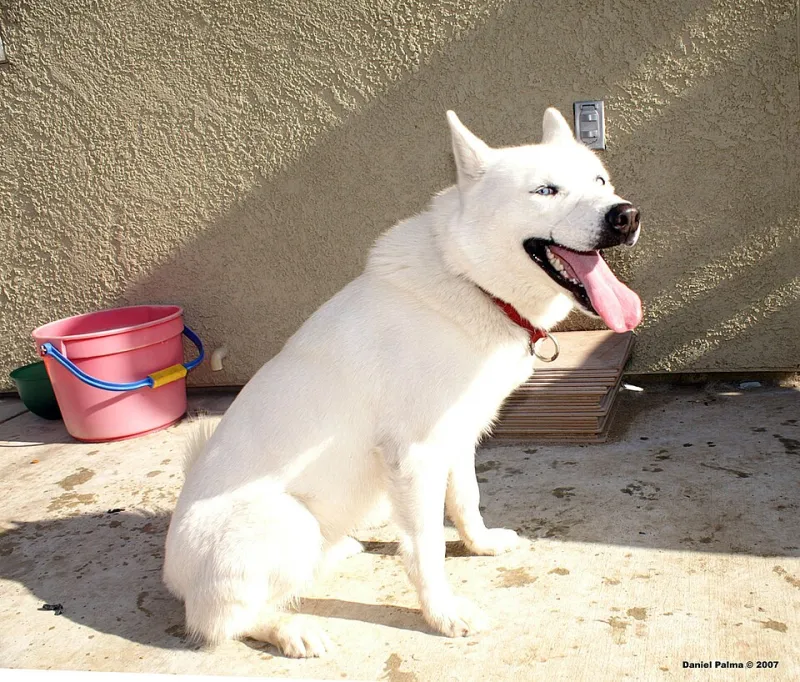
Photo: Daniel di Palma, CC BY-SA 2.5, via Wikimedia Commons
Bringing home a Siberian Husky is an emotional decision. Finding a place to live with one is a paperwork decision — and in the U.S., that paperwork can be a lot. Breed restrictions, weight caps, HOA covenants, condo boards, and rental algorithms all get a vote. The good news: huskies are not banned everywhere, and a prepared owner can clear more hurdles than they expect. The bad news: winging it can cost you an application fee, a deposit, or a lease.
This is not legal advice. It is a practical filter for the housing hunt, ideally started before you fall for a dog on a rescue website.
Start With the Fine Print, Not the Photos
Before you tour a rental or make an offer on a condo, read the actual documents. Ask the leasing office for the pet addendum. Ask for the HOA rules or condominium bylaws. Check city and county animal ordinances. Then ask one plain question in writing: ‘Is a Siberian Husky allowed?’ Get the answer in writing too, even if it is a text or email. A friendly verbal ‘should be fine’ is not approval.
Pay attention to three separate issues: breed restrictions, weight limits, and liability insurance. A building may allow dogs but exclude huskies by name. Another may allow any breed but cap dogs at 25 pounds — a limit many adult huskies sail past. A third may allow the dog but require renters insurance that excludes canine liability. These are different problems with different solutions.
Know Where Husky Restrictions Hide
Breed lists often lump huskies into wolf-like, Northern breed, or aggressive breed categories for insurance reasons, not because anyone actually evaluated your dog. You will see restrictions in apartment communities, mobile home parks, military housing, some condo associations, and homeowners insurance policies. Municipal breed bans are less common than rental restrictions, but they do exist. A quick call to the city animal control office can clarify local law.
HOA rules deserve special attention. Covenants can limit the number of pets, require board approval, ban fences, or restrict dogs by size or breed. Ask for the board’s pet approval process and the timeline. If the HOA says no, a lease saying yes will not save you.
Build a Renter’s Portfolio That Answers the Worry
Landlords are not usually husky experts. They are managing risk, noise, damage, and liability. Your job is to make the unknown feel boring. Put together a short pet resume: photo, age, weight, spay or neuter status, vaccination records, microchip number, vet reference, training history, and a sentence about your daily routine.
Add proof of training if you have it. A Canine Good Citizen certificate, a basic obedience graduation, or a letter from a trainer carries weight. So does proof of renters insurance with a canine liability endorsement, if available in your state. Include a written commitment to crating when alone, leash use in common areas, and immediate cleanup. If your husky has lived successfully in an apartment before, ask the previous landlord for a reference.
Do not lie about the breed. ‘Husky mix’ is not a magic password, and a misrepresentation can void a lease or insurance claim. If the dog is a mix, say so and provide documentation.
Negotiate Like a Neighbor, Not a Lawyer
Once you have a real person to talk to, be calm and specific. Offer a larger pet deposit. Offer monthly pet rent if that is the building’s model. Offer to meet the dog in person. Offer a written agreement about common areas, noise, and damage. Some landlords will say yes to a well-prepared tenant even after an initial no.
If an HOA is involved, ask whether the board reviews pets case by case. Sometimes a letter from a trainer, a vet, and a landlord is enough. Sometimes it is not. Get any approval in writing and keep it with your lease.
When the Answer Is Actually No
A hard no is a hard no. Do not sneak a dog into a no-pet building, and do not misuse an assistance animal claim to get around a breed rule. That creates risk for you, your dog, and the next person who needs a real accommodation. If the housing stock in your area is genuinely closed to huskies, you have three honest options: widen your search radius, wait until your housing situation changes, or choose a different breed. None of those are fun. All of them are safer than an eviction notice.
Housing is temporary. A dog is not. Treat the lease as part of the adoption plan, not an afterthought.